
Dr. Hüseyin Kâmi BÜYÜKÖZER
Since its inception, GİMDES has gone far beyond being merely a local civil society organization; acting with a sense of global Muslim community, it has transformed the concept of “Halal and Tayyib Food” into a global standard. Today, GİMDES ensures food safety for Muslims across a vast geography stretching from Asia to the Americas, from Europe to Australia and Africa, positioning itself on the international stage as both a regulatory authority and an accreditation center.
Global Umbrella and Accreditation Leadership
GİMDES has taken historic steps to bring together halal certification bodies worldwide under a single umbrella and to uphold standards.
- Presidency of the World Halal Council (WHC):
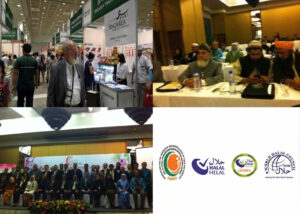
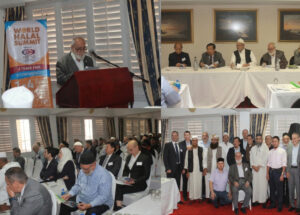
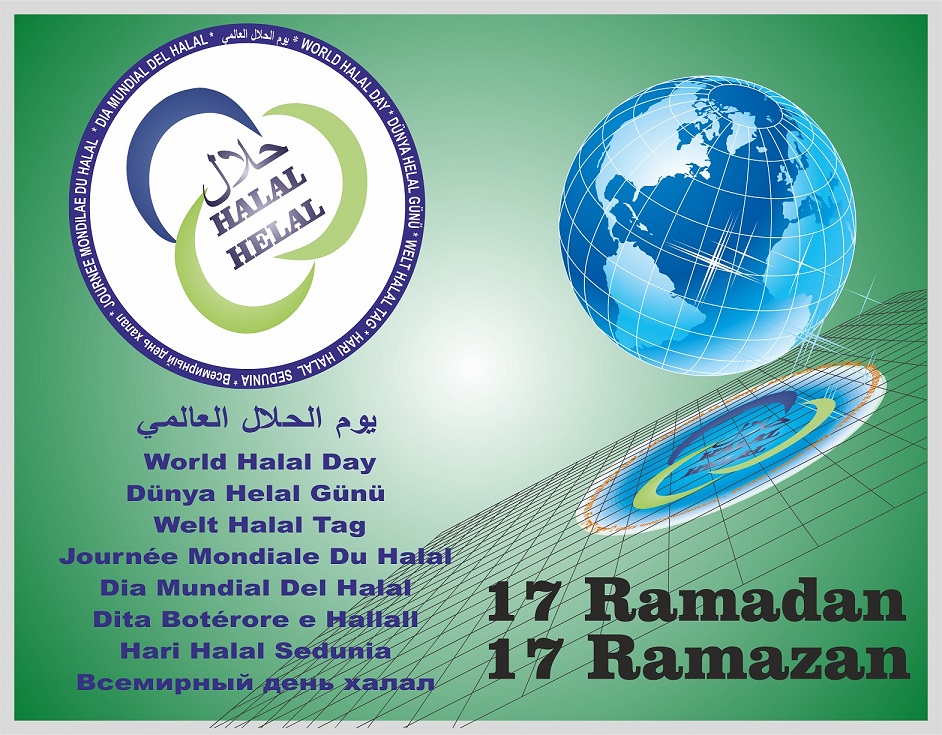
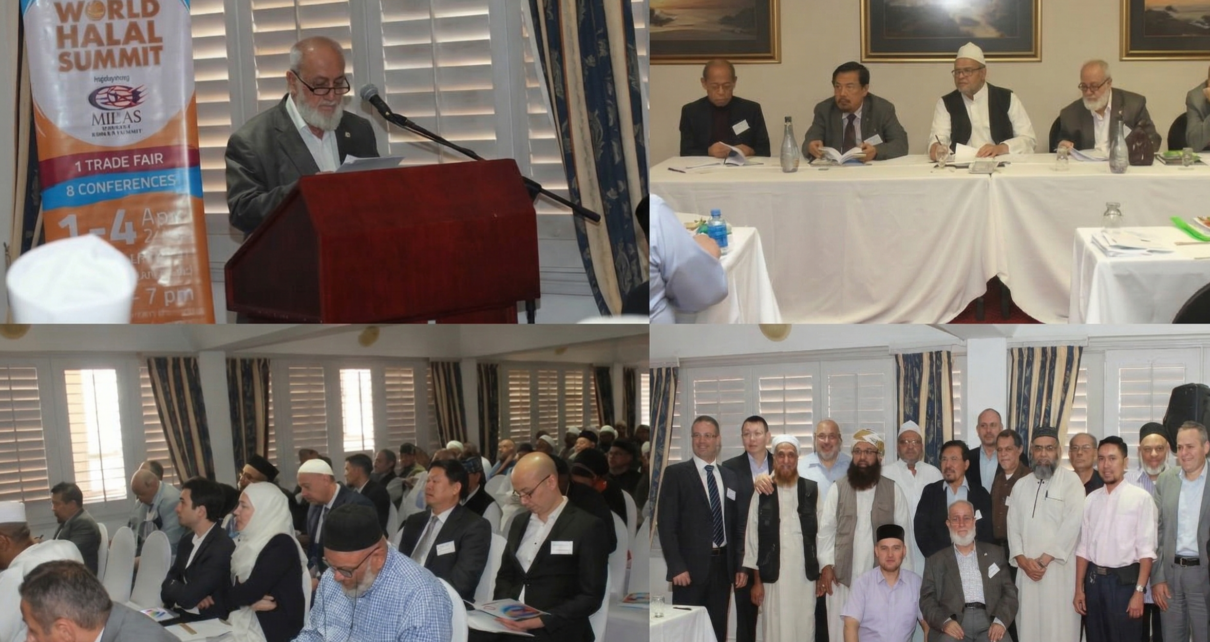
Under the leadership of Dr. Hüseyin Kami Büyüközer, who has served as WHC President since 2012, GİMDES has been guiding global halal platforms. The 10th Congress held in the Philippines (Manila) in 2012 and the 12th General Assembly held in South Africa (Cape Town) in 2014 are among the strongest indicators of this leadership. At the Cape Town summit, historic decisions were made, including the transformation of WHC into an international accreditation body, the tightening of membership criteria, and the declaration of the 17th of Ramadan as “World Halal Day.”
- Accreditation Processes Extending from the Andalusian Heritage to Italy and Europe:
The trust that institutions in many countries place in GİMDES standards has led to requests for accreditation. In 2014, following an accreditation request from the Italy-based firm HIA (Halal Italy), on-site inspections were conducted in Bari and Milan. Even under challenging European conditions, such as in Italy where Islam is not officially recognized, the protection of halal standards through Islamic jurisprudence and technical committees has been ensured.
In Spain—which served as the cradle of Islam’s most brilliant era in Europe—and on these lands bearing the traces of the profound Andalusian heritage, the re-emergence of the “Halal and Tayyib” consciousness at an institutional level centuries later holds historical significance.
- Germany Engagements: The “Halal Food” Consciousness at the Heart of Europe:
GİMDES has taken strategic steps to establish the “Halal Food” consciousness in Europe, where 30 million Muslims live. At conferences organized in Germany at the invitation of IGMG and MÜSİAD, this matter of faith was emphasized, and practical solutions—such as the integration of IGMG cafeterias into Halal Dunya Markets—were discussed.
GİMDES, which is also active in diplomatic and commercial spheres, has directly brought awareness of halal food to the global sector by participating not only in official contacts such as the Turkey-Czechoslovakia Business Forum but also at the world’s largest food fairs like Anuga and on international platforms.
Rigorous Inspection and Food Safety in the Far East
The understanding that halal certification is not merely a commercial “label” but the religious and technical purity of the food served is clearly evident in GİMDES’s operations in Asia. Conducted with the sensitivity of a conscientious inspector, these processes protect the Muslim community from hazards in the food industry.
- Uncompromising Production in Indonesia (December 2013):
Following the suspension of recognition for MUI’s certifications, GİMDES lead inspectors traveled to Indonesia to conduct inspections at three factories producing noodles, spice mixes, and sauces. In these productions, the use of MSG (monosodium glutamate), chemical dyes, nitrites-nitrates, and hydrogenated oils—which pose health risks—was strictly prohibited, thereby firmly establishing the “Tayyib” standard.
- South Korea and Historical Ties (August 2015):
As a guest of the Korean Islamic Federation, GİMDES participated in the first Halal Expo held in Seoul. While conducting certification renewal inspections for the cosmetics company Doudelab, the historical legacy of Turkish soldiers and Imam Zübeyir Koç—who facilitated the conversion of hundreds of people to Islam during the Korean War—was also observed firsthand.
- Malaysia: Global Cooperation and Common Standards Summit:
Malaysia, one of the world’s most important centers for halal certification, plays a key role in GİMDES’s international engagements. In 2013, GİMDES participated in the 5th Halal Certification Authorities Congress organized by JAKIM; strategies for global cooperation and establishing a common language were discussed with institutions from around the world.
- Strategic Representation in Japan and Thailand:
As part of efforts to raise awareness in the East Asian market, GİMDES presented on the development of standards for Muslim tourists at the international events (CICOT) held in Thailand in 2012. At the 1st Halal Summit, held for the first time in Japan in 2014, GİMDES introduced the “Halal and Tayyib Cosmetics” standards to the world.
2026 and Beyond: An Expanding Global Network
At this stage, GİMDES continues to defend the halal standard—a purely religious right—free from commercial concerns and non-Muslim interference. With this awareness, its network of activities has now expanded to cover a much broader geographical area.
The following countries are currently among those actively receiving GİMDES halal and tayyib certification:
- United States (Most recently, a new Los Angeles-based company has joined the network)
- Russian Federation, Caucasus (Dagestan)
- Romania and Hungary
- Kyrgyzstan, Kazakhstan, and Azerbaijan
- Indonesia and Malaysia
The Religious Right of 2 Billion Muslims
GİMDES is not an institution that “issues fatwas for Muslims in need” or “generates profit for companies”; it is an independent grassroots movement defending the right of the 2-billion-strong Islamic world to clean and halal food. Following the path pioneered by Zübeyir Koç in Korea, establishing accreditation standards for the Muslim community in Cape Town, and refusing to allow harmful additives in Indonesia, GİMDES continues today with the same vision to build a reliable halal ecosystem worldwide.